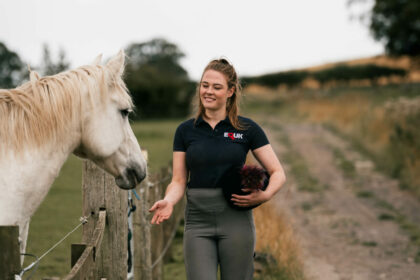
At Lingfield Equine Distance Learning, we believe the horse should always be at the heart of everything we do. For this reason, the course begins with a strong focus on equine psychology and behaviour. Developing an understanding of how horses think, communicate, and respond to their environment is fundamental to handling them safely and working with them effectively. When we understand the horse, we can build trust, reduce stress, and create a safer and more positive environment for both horse and handler.
Throughout this course, you will explore the key principles that support responsible and professional yard work. These include understanding the theory behind animal welfare, behaviour, and safe handling, as well as the importance of maintaining high standards of cleanliness and hygiene within the yard environment. You will also learn about correct feeding practices, preparation routines, and hydration protocols that support equine health and performance.
In addition, the course introduces the principles of biosecurity and disease prevention, helping you understand how to minimise health risks within a yard setting. You will also gain an awareness of when and how basic equine first aid techniques may be used to respond appropriately to common situations.
All of these areas are brought together through the lens of daily professional horse care. By the end of the course, you will understand how these principles are applied in real working environments and how they contribute to the welfare, safety, and management of horses in professional settings.
Anyone working with horses has a duty of care to ensure they are treated with respect, compassion, and understanding. Horses do not choose their roles or environments, which is why it is our responsibility to advocate for their wellbeing. By building knowledge, developing awareness, and communicating effectively within professional teams, we can ensure that the horses in our care are always supported and understood.
The content has been written to align with descriptors appropriate to Level 2 on the regulatory framework, making it an accessible and valuable foundation for anyone beginning or developing a career in the equine industry.